Coordinating Alpine Match Reports with Automated Limit Tools Under Federal Wagering Rules
Geschrieben von Freya Bauer · 15.10.2026
Coordinating Alpine Match Reports with Automated Limit Tools Under Federal Wagering Rules
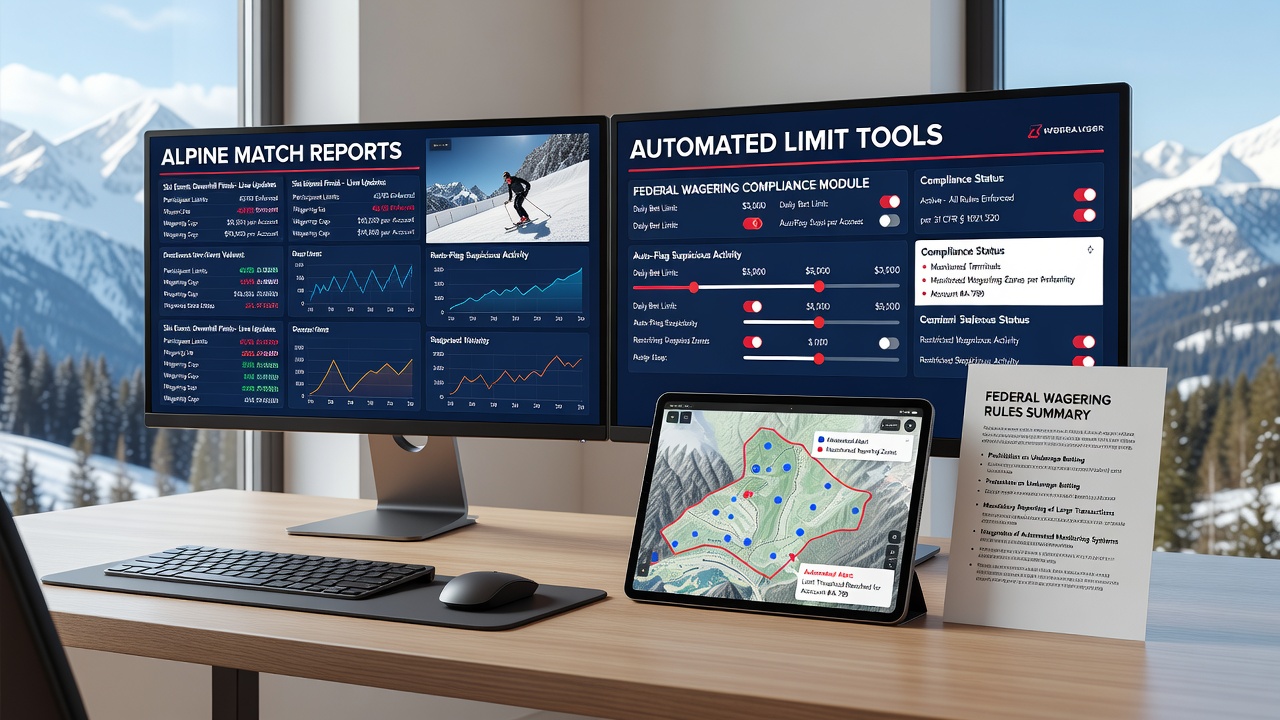
Swiss federal wagering regulations require operators to integrate real-time alpine match reports with automated systems that enforce betting limits across platforms, and these protocols have expanded in scope by October 2026 as new data streams from alpine competitions feed directly into risk assessment modules. Federal rules mandate that every incoming report on event timing, participant status, and outcome probabilities triggers predefined thresholds that cap wager amounts or suspend markets when indicators reach certain levels.
Federal Framework and System Integration
Switzerland's national gambling statutes establish clear requirements for data synchronization between match reporting services and limit enforcement tools, while operators must maintain audit trails that document each automated adjustment. Research from the Swiss Federal Gaming Board shows that alpine events generate distinct data patterns compared to other sports because weather variables and course conditions alter probabilities rapidly, which in turn activates limit recalibrations within seconds of report receipt.
Automated tools rely on application programming interfaces that pull structured data from official alpine federations, then apply federal formulas to determine exposure caps for individual accounts. Those who've studied these integrations note that the process begins with standardized report formats that include timestamped updates on start lists, intermediate results, and injury notifications.
Data Flow and Limit Activation Mechanics
Once a match report arrives, the system evaluates it against historical volatility metrics stored in compliance databases, and if thresholds are crossed the tool immediately applies session limits or reduces maximum stakes. Evidence from regulatory filings indicates that alpine skiing and related winter competitions account for a measurable share of automated interventions because their unpredictable elements often coincide with peak betting windows during evening European broadcasts.
Operators connect these systems to centralized federal monitoring portals that log every limit activation, while cross-referencing occurs against player-specific harm prevention profiles. What's significant is that the coordination extends beyond simple caps to include temporary market pauses when reports signal major disruptions such as course changes or athlete withdrawals.

Compliance Pathways and Reporting Standards
Federal guidelines specify that all automated limit decisions must reference the original match report identifier, which creates a traceable chain from event data to player protection actions. Studies conducted by European gaming research consortia reveal that platforms using these coordinated systems experience fewer compliance deviations during high-volume alpine seasons, particularly when reports arrive through encrypted channels that prevent tampering.
Additional layers of verification require operators to reconcile daily summary reports with federal oversight databases, and any discrepancies trigger manual reviews within defined timeframes. Observers note that the October 2026 reporting cycle introduced enhanced fields for environmental data such as snow conditions, which further refines the accuracy of automated risk calculations.
International Comparisons and Technical Standards
Similar coordination models appear in other jurisdictions where federal or national regulators oversee sports wagering, for instance the framework maintained by the Swiss Federal Gaming Board aligns closely with technical specifications used by the Australian Gambling Research Centre in its studies of real-time limit systems. These parallels demonstrate how structured data exchange between event organizers and betting platforms supports consistent application of harm reduction measures across borders.
Industry associations publish interoperability standards that cover data formats, latency requirements, and encryption protocols, ensuring that alpine match reports integrate smoothly with existing automated tools. Data indicates that platforms adopting these standards record higher rates of successful limit enforcement during live alpine competitions.
Conclusion
The coordination of alpine match reports with automated limit tools under Swiss federal wagering rules continues to evolve through standardized data protocols and regulatory oversight, and by October 2026 these processes incorporate expanded environmental variables that enhance precision. Federal requirements maintain traceability from each report to every limit adjustment, while technical integrations support consistent enforcement across operators. This structure provides the foundation for ongoing compliance as new alpine events generate additional data streams throughout the season.