Navigating cantonal variations in automated protection triggers during multi-sport event overlaps under federal wagering mandates
Geschrieben von Drew Vogel · 12.11.2026
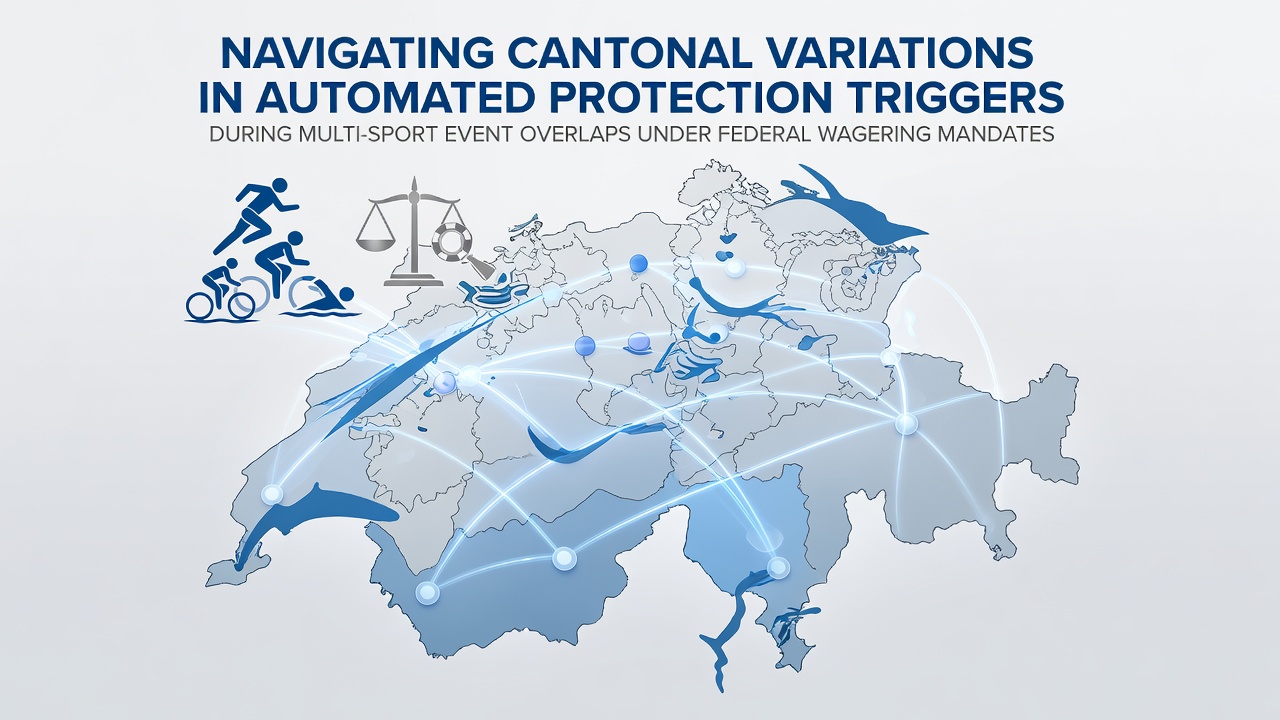
Navigating cantonal variations in automated protection triggers during multi-sport event overlaps under federal wagering mandates
Federal wagering mandates in Switzerland establish baseline requirements for player protection mechanisms, yet cantonal authorities retain flexibility in how automated triggers activate during periods when multiple sports events coincide. These overlaps create complex scenarios where systems must monitor betting volumes, session durations, and risk indicators simultaneously across platforms. Data from regulatory reviews indicate that implementation differences emerge most clearly in threshold settings for deposit limits and self-exclusion protocols.
Federal Framework and Core Requirements
The Swiss federal structure assigns primary oversight to national legislation while delegating operational details to individual cantons, which results in varied technical specifications for automated tools. Research conducted by the Federal Gaming Board shows that all cantons must incorporate real-time monitoring features, but the precise algorithms for detecting problematic patterns differ by jurisdiction. During multi-sport overlaps, such as concurrent football, ice hockey, and tennis tournaments, these systems track cumulative exposure across events rather than isolated matches.
Regional Implementation Differences
Cantons like Zurich and Geneva apply stricter parameters for automated interventions compared with smaller regions such as Appenzell or Uri, where thresholds for mandatory cooling-off periods remain higher. Figures released by cantonal gaming commissions reveal that automated triggers in urban cantons activate after shorter intervals of sustained activity when several events run in parallel. Observers note that these variations stem from local administrative resources and historical enforcement priorities rather than conflicting legal standards.
Coordination challenges arise when operators serve users across multiple cantons, requiring platforms to segment user accounts according to registered residence. Studies from the University of Lausanne highlight how data segmentation protocols help maintain compliance, yet they also introduce latency in trigger responses during peak overlap periods. And here's where the rubber meets the road: operators must reconcile differing alert frequencies without disrupting service continuity.
Handling Overlapping Events
Multi-sport event overlaps intensify the demands placed on automated protection systems because betting activity can accelerate across unrelated competitions at the same time. According to industry reports compiled by the European Gaming Association, Swiss platforms registered a measurable increase in cross-event wagering during the 2024-2025 season, prompting cantons to refine detection logic. Triggers now incorporate weighted variables that account for event density, time zones, and sport-specific volatility patterns.
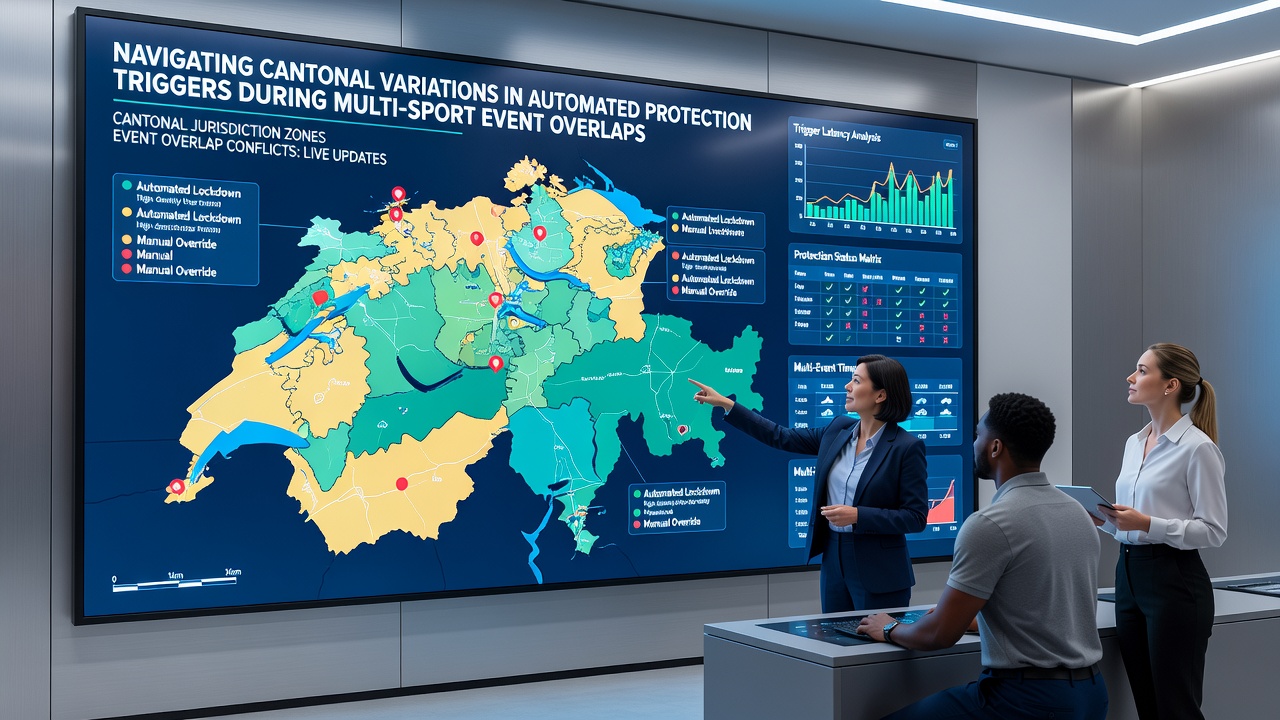
One documented case involved a November overlap between national league football fixtures and international ski events, where certain cantons activated spending caps earlier than others. The differences trace back to local calibration of risk scores, which federal guidelines permit within defined ranges. Those who've examined compliance records observe that platforms adapt by maintaining canton-specific rule sets that update dynamically as event schedules shift.
November 2026 Scheduling Implications
November 2026 presents a dense calendar of overlapping competitions that includes domestic leagues, European cup stages, and winter sports circuits, placing additional pressure on existing automated frameworks. Regulatory updates scheduled for early 2026 aim to standardize minimum data-sharing requirements between cantons, according to announcements from the Federal Department of Justice and Police. These adjustments seek to reduce discrepancies in trigger timing without eliminating regional discretion entirely.
Operators have begun testing enhanced synchronization tools that pull live event data from multiple sources while respecting each canton's parameter set. Evidence suggests such preparations will become essential as event density rises, since manual overrides prove impractical during rapid sequences of matches and races.
Technical and Compliance Considerations
Platform architecture must accommodate parallel processing of protection rules, which means database queries and alert engines operate under layered logic trees. Academic papers published through the Swiss Research Institute on Gambling document how machine-learning components assist in predicting when overlaps will exceed safe activity thresholds, yet human oversight remains mandatory in every canton. The ball remains in the operators' court to ensure seamless integration across jurisdictional boundaries.
Training programs for compliance staff now emphasize recognition of canton-specific nuances, particularly when users relocate or maintain addresses in different regions. Data indicates that proactive mapping of these variations reduces the incidence of delayed interventions during high-volume periods.
Conclusion
Cantonal variations in automated protection triggers reflect Switzerland's federal balance between national mandates and regional implementation, especially evident during multi-sport event overlaps. Continued refinement of technical standards and data protocols supports consistent player safeguards while preserving local administrative authority. As November 2026 approaches, alignment efforts between cantons and federal bodies will determine how effectively systems manage concurrent wagering pressures across diverse sports calendars.